Assess the Davenport facade before choosing a wash
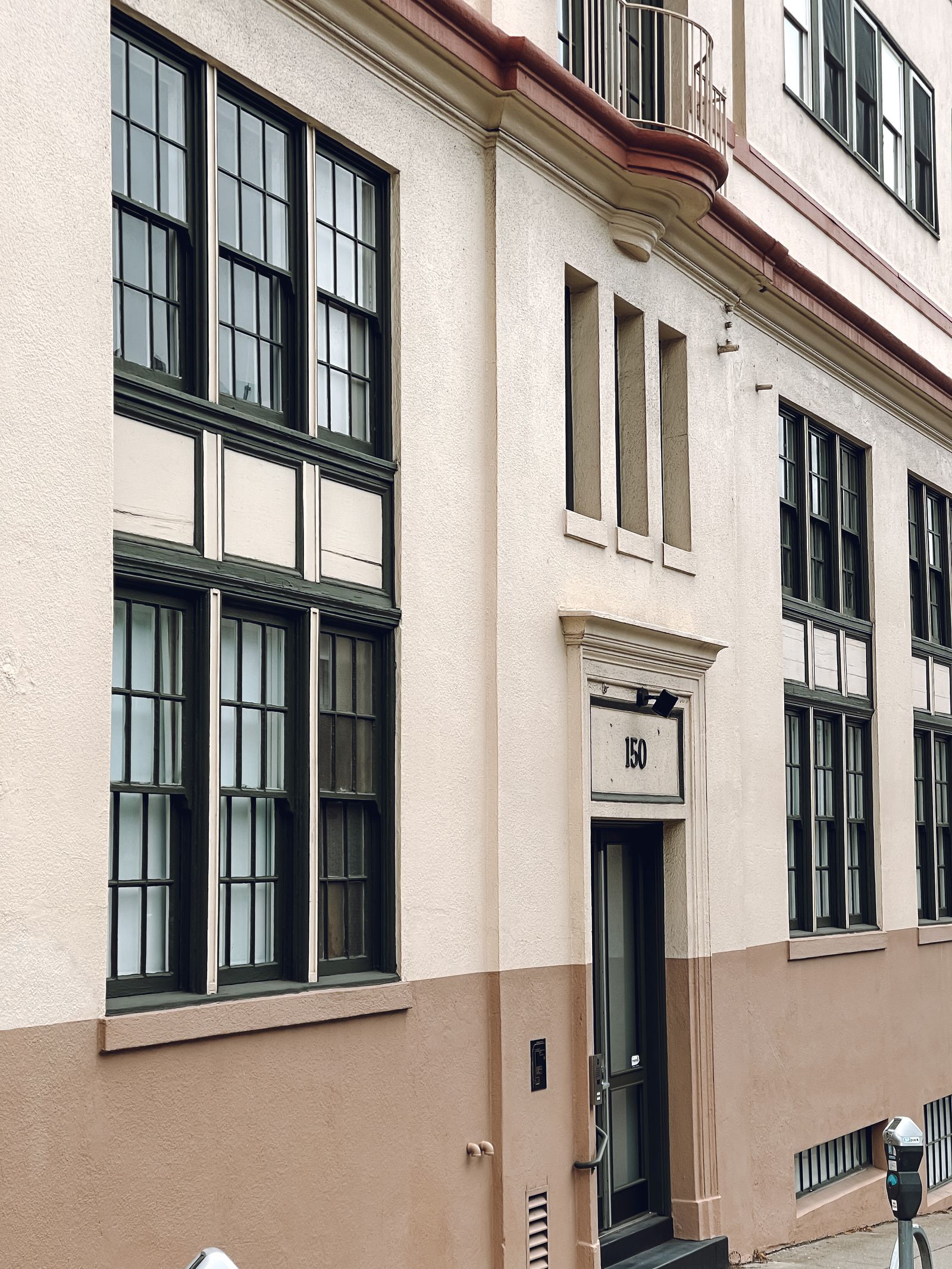
Davenport commercial exteriors may combine historic brick and mortar downtown, precast concrete, painted block, EIFS, stucco, metal panels, stone veneer, storefront glass, canopies, signs, and repaired areas. Riverfront buildings can have older details, narrow sidewalks, restaurants, apartments, offices, and public activity close to the work zone. A NorthPark-area retail property may have broad parking fields, storefront glass, monument signs, landscaping, drive lanes, and loading areas. A warehouse may have insulated panels, dock doors, truck courts, cameras, and electrical equipment. Each material and elevation should be reviewed separately for chemistry, dwell time, rinse pressure, protection, and access.
Soft washing may fit compatible organic film, pollen, bird residue, algae-like growth, and ordinary atmospheric soil after testing or review. It will not repair cracked masonry, open mortar, failed sealant, corroded metal, spalled concrete, damaged glazing, loose coatings, or a roof or plumbing problem. A dark mark may be traffic film, a drainage path, soot, oxidation, salt, or a wet area. The quote should distinguish routine cleaning from mineral treatment, rust treatment, glass restoration, coating work, facade repair, and envelope investigation.
- Separate brick, mortar, concrete, glass, metal, EIFS, stucco, coatings, sealants, and repairs.
- Identify whether deposits are organic, dusty, mineral, salt-related, oxidized, or drainage-related.
- Use representative test areas when the finish history or cleaning response is uncertain.
- Document conditions that belong with a mason, roofer, glazier, painter, or envelope professional.
Plan around downtown, NorthPark, and Quad Cities operations
Downtown Davenport and the riverfront can place sidewalks, restaurants, offices, apartments, events, deliveries, tenant doors, and public routes directly beside a facade. The Mississippi River setting does not make every building flood-prone, but low entrances, garages, ramps, and river-adjacent grades deserve a deliberate review of water movement and handback. A facility contact may need early work, phased elevations, a protected accessible path, pedestrian separation, and a clear time for removing hoses and barriers. The sequence depends on the exact frontage, tenant calendar, street conditions, and whether the priority is an entrance or a full exterior cycle.
NorthPark and other retail corridors add customer parking, drive lanes, storefront glass, landscaping, carts, monument signs, loading areas, and tenant schedules. Work may fit before opening, between delivery windows, or in phases that keep a main entrance available. Medical and dental properties along Kimberly Road, Elmore Avenue, or other busy corridors may need patient drop-off, emergency access, accessible doors, and air-intake protection. Industrial properties around the river, I-80, and the broader Quad Cities logistics network can add gates, shift changes, truck courts, overhead utilities, security requirements, and equipment that cannot receive uncontrolled water. These are planning considerations, not a claim that every parcel has the same conditions.
Account for flood context, winter salt, and freeze-thaw
Davenport's Mississippi River and creek drainage context makes runoff planning important. The City explains that stormwater is conveyed to nearby creeks and streams and ultimately the Mississippi River, so a curb inlet is not an automatic permission slip for treated water, sediment, or debris. A first rinse can reveal flow toward a garage ramp, neighboring storefront, landscaped basin, floor drain, or low parking area. The property plan should identify low points, flood-sensitive equipment, temporary controls, and the person authorized to pause work after rainfall or unexpected flow.
Iowa DOT identifies rock salt as its primary deicing material for winter storms. Salt and grit can collect at lower walls, entries, ramps, curbs, parking-side masonry, and loading areas. Freeze-thaw can reveal open joints, failed sealants, cracked concrete, loose brick, or damaged coping that a wash cannot correct. Wind, rain, summer humidity, shaded walls, lightning, and rapid temperature changes affect dwell, drying, overspray, runoff, and pedestrian safety. The actual forecast and surface condition should control the work window; rescheduling is appropriate when conditions cannot be managed.
- Review rain, wind, temperature, lightning, surface moisture, drying time, and snow or ice conditions.
- Inspect lower walls and entries for salt, grit, splash, recurring wetting, and freeze-thaw movement.
- Set pause triggers for changing drainage, wind, public movement, standing water, or unsafe surfaces.
- Treat a possible repair or water-intrusion issue as a separate building condition.
Choose access by elevation, not height alone
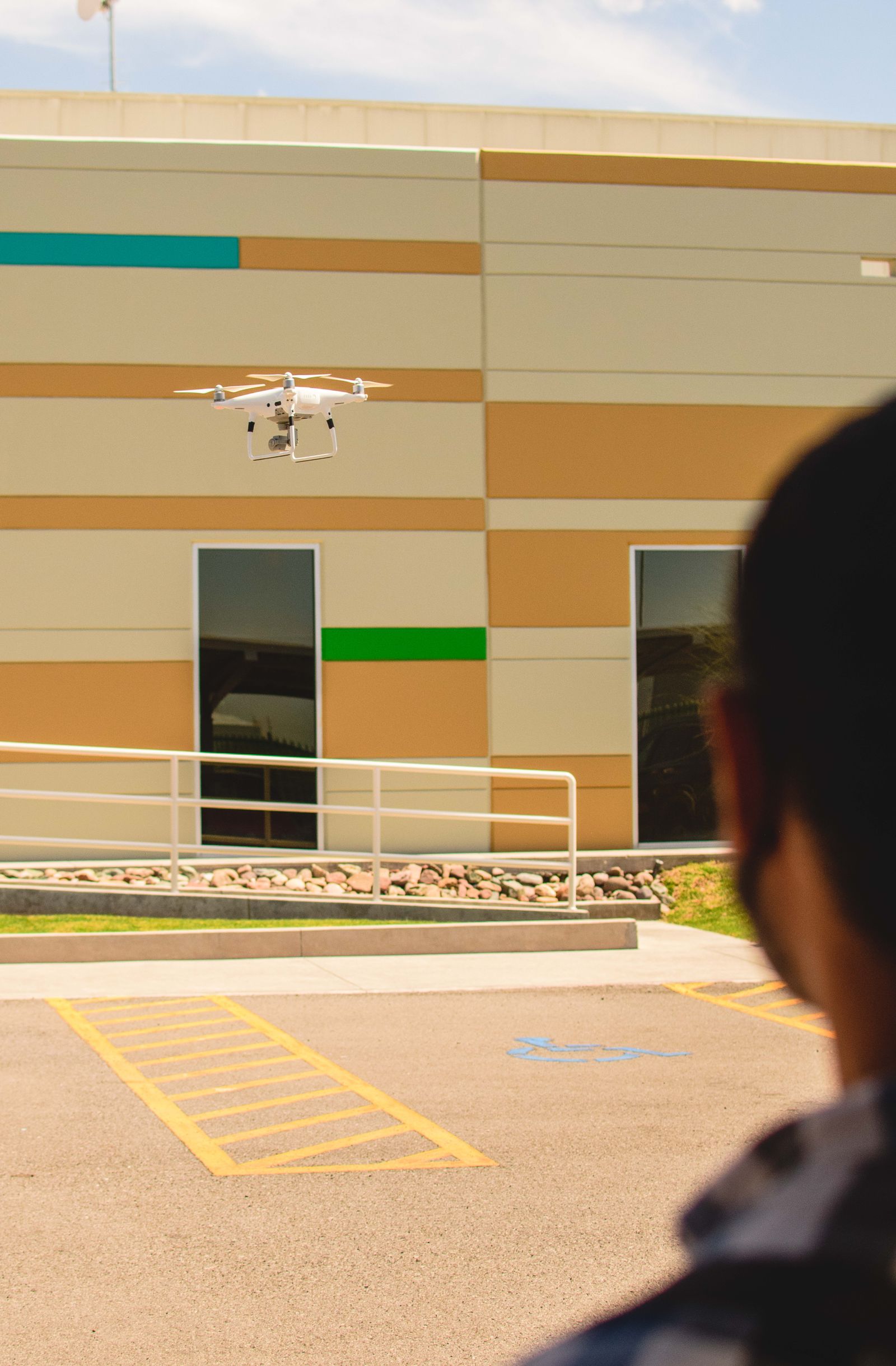
Drone-assisted application or rinsing may be considered for a compatible broad upper elevation when wind, stand-off distance, launch and recovery space, visual control, public separation, and drainage all support it. It may reduce some lift repositioning on selected panels, parapets, ledges, or sign bands. It does not make unsuitable chemistry appropriate, contact-clean glass, detail recessed trim, remove every bonded mineral deposit, inspect concealed damage, or repair joints. A proposal should identify any aerial zone and what remains ground, pole, lift, roof-access, or hand work.
Davenport and Quad Cities sites can include bridges and roads, overhead utilities, trees, rooftop units, cameras, active parking, neighboring tenants, and airport-related airspace considerations. Applicable Federal Aviation Administration requirements remain part of commercial operations. If wind, obstacles, airspace, public movement, or runoff cannot be controlled, a water-fed pole, lift, hand detail, ground, hybrid, or rescheduled approach may be more appropriate. Property permission is not a substitute for aviation compliance or a site safety plan.
Protect people, equipment, and runoff paths
Before solution or rinse water is applied, map entrances, accessible routes, sidewalks, air intakes, cameras, electrical equipment, landscaping, vehicles, loading zones, low points, and storm inlets. Confirm water access, hose routes, barriers, spotters, emergency paths, and the contact who can stop the work. Where conditions require it, the plan may use diversion, collection, recovery, filtration, reduced rinse, plant protection, disposal, or coordination with the responsible authority. Chemical selection and rinse volume should reflect the material, soil load, slope, and site rules.
Protection is especially important where a riverfront sidewalk, retail drive lane, medical drop-off, industrial truck court, or shared Quad Cities property remains active. Closeout notes should record completed elevations, remaining deposits, pre-existing damage, and conditions that belong with another trade. A cleaner facade is only one part of a useful commercial scope; the facility team also needs a clear record of what was addressed, deferred, or excluded.
- Map drains, slopes, low points, doors, intakes, plants, vehicles, sidewalks, and neighboring property.
- Coordinate deliveries, security, accessible routes, hose crossings, barriers, and emergency access.
- Define runoff assumptions and stop conditions for unexpected flow, wind, traffic, or standing water.
- Record cleaned zones and limitations for repair, restoration, or specialty treatment.
Request a Davenport quote built around the site
A useful quote should name the service zones, materials, visible soils, test-area expectations, access equipment, operating window, protection, runoff assumptions, weather triggers, included elevations, exclusions, and closeout documentation. It should separate broad facade washing from detailed glass, salt or mineral treatment, rust treatment, construction residue, canopy work, coating removal, and repair. If aerial assistance is considered, the scope should identify the required wind, airspace, launch, visual-control, ground-separation, and drainage conditions before work begins.
Send the address, wide and close photos, approximate height, priority elevations, materials, visible concerns, preferred dates, water access, nearby drains, flood or low-point concerns, snow and salt exposure, and tenant, customer, delivery, security, or event restrictions. Mention downtown, the riverfront, NorthPark, a medical corridor, or an industrial location when relevant. Call +1 239-351-2897, email contact@dronebuildingcleaners.com, or use the existing quote/contact CTA to get in touch with Drone Building Cleaners.